
green laminated glass
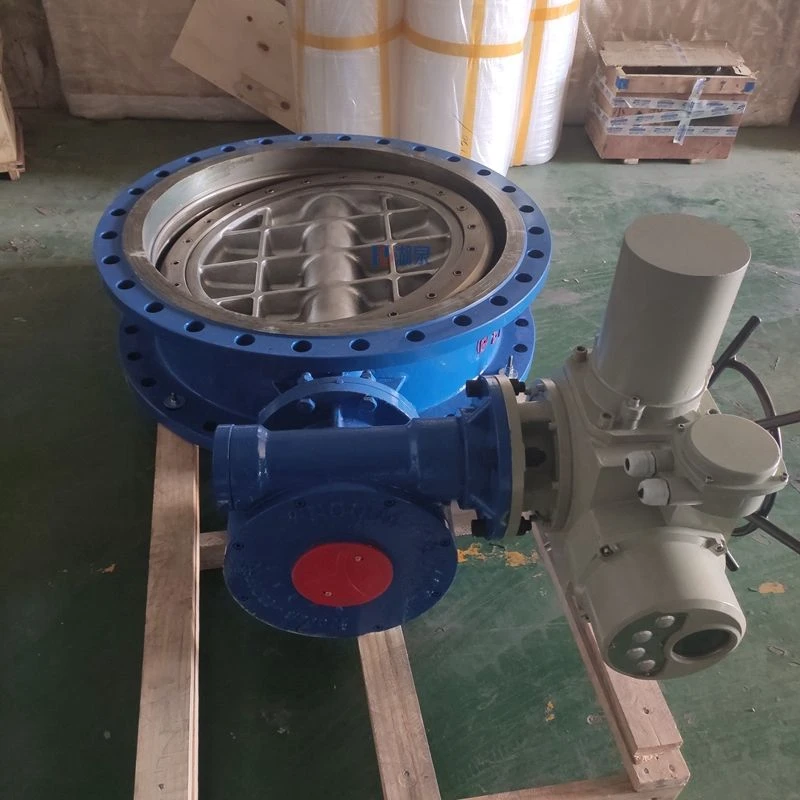
Understanding Gate Valves A Focus on 2 to 5 Inch Sizes Gate valves are essential components in various piping systems, providing control over the flow of fluids. Between 2 to 5 inches in size, these valves serve a critical function in both residential and industrial applications. This article explores the design, operation, advantages, and applications of gate valves within this size range, helping to illuminate their importance in modern plumbing and industrial systems. What is a Gate Valve? A gate valve is a type of valve that opens by lifting a barrier (or gate) out of the path of the fluid. This design allows for minimal flow resistance when the valve is fully open, making it ideal for on/off control rather than throttling flow. Gate valves are typically operated by a handwheel, which raises or lowers the gate vertically within the valve body. Design Features For gate valves ranging from 2 to 5 inches, several design features are critical. The valve body can be constructed from various materials, including brass, stainless steel, and iron, depending on the application. They usually comprise 1. Body The main structure that houses the gate and other components. 2. Gate The movable part that either blocks or allows fluid flow. Gates are often designed as flat slabs (parallel gate) or wedge-shaped (wedge gate), with the latter facilitating a tighter seal. 3. Bonnet The cover that provides access to internal components for maintenance. 4. Actuator Typically a handwheel, but can also be motorized in more sophisticated applications. The choice of material affects the valve's durability and suitability for different fluids. For example, stainless steel gate valves are preferred for high-pressure and corrosive applications, while brass valves are commonly used in residential plumbing. Advantages of Gate Valves Gate valves possess several advantages that make them popular for controlling fluid flow gate valve 2 5 inch - Minimal Flow Resistance When fully opened, gate valves enable maximum fluid flow, making them suitable for applications requiring full flow capacity. - Versatility They can be used in various systems, including water, gas, and steam lines. - Robust Design Gate valves are built to endure high pressure and temperature, making them reliable in demanding conditions. Applications In the 2 to 5 inch range, gate valves are commonly deployed in various situations, including 1. Water Treatment Plants Controlling water flow in and out of treatment processes. 2. Heating Systems Facilitating centralized heating and hot water distribution. 3. Industrial Systems Regulating the flow of liquids and gases in manufacturing processes. 4. Fire Protection Systems Allowing for safe and controlled water flow in fire suppression systems. Installation and Maintenance Proper installation of gate valves is crucial to ensure optimal performance. They should be installed according to the manufacturer's specifications, ensuring the valve is accessible for maintenance and operational checks. Regular maintenance involves checking for leaks, inspecting the sealing surfaces, and ensuring the actuator operates freely. Gate valves should not be used for throttling purposes, as partially open positions can cause the gate to vibrate and wear out more quickly. Over time, this can lead to leakage and necessitate costly replacements. Conclusion Gate valves between 2 to 5 inches play a vital role in managing fluid flow across various applications. Understanding their design, advantages, and appropriate uses is essential for anyone working with plumbing or industrial systems. By ensuring correct installation and maintenance, gate valves can provide reliable service and durability, making them invaluable components in fluid control systems. Whether in a home or an industrial plant, these valves remain crucial to the efficiency and safety of fluid management processes.
about
green laminated glass
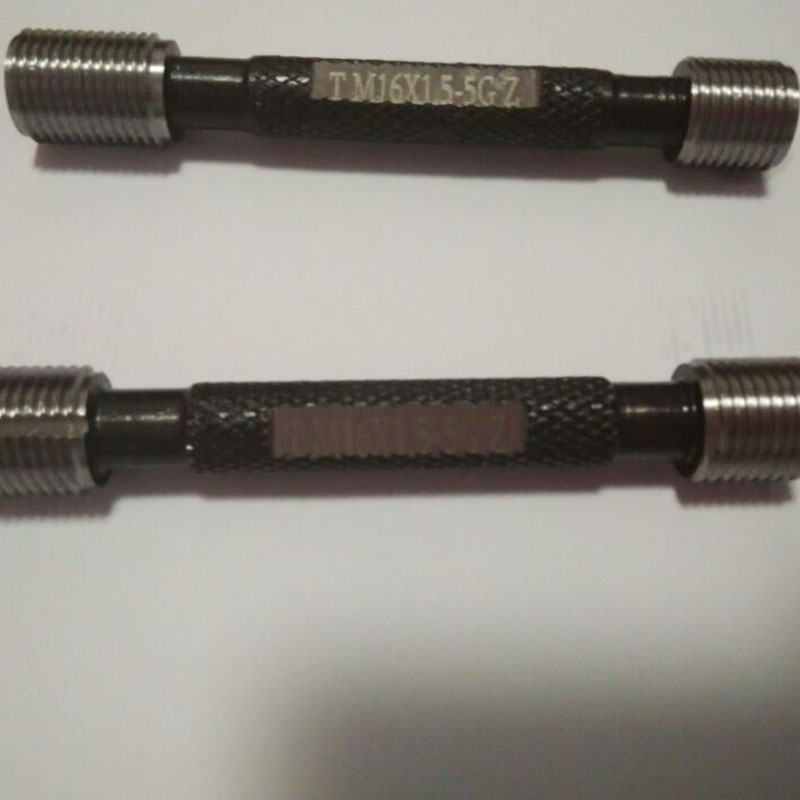
The Importance of Plug and Ring Gauges in Precision Engineering In the field of precision engineering, the need for reliable measurement tools cannot be overstated. Among these instruments, plug and ring gauges stand out as vital components in ensuring dimensional accuracy and quality control during the manufacturing process. This article explores the significance, construction, and applications of plug and ring gauges in the industry. Understanding Plug and Ring Gauges Plug gauges are designed to check the internal dimensions of a product, such as holes or cylindrical features. They come in various forms, including plain, tapered, and threaded plugs. The fundamental purpose of a plug gauge is to determine whether a hole is within specified tolerances—too small (reject), acceptable (go), or too large (not go). This effectively helps engineers and quality control personnel identify any deviations in manufacturing from the desired specifications. On the other hand, ring gauges are utilized for checking the external dimensions of cylindrical objects, such as shafts or pins. Like plug gauges, ring gauges also have go and not go ends. The “go” end checks if the component fits within accepted limits, while the “not go” end ensures that the component does not exceed maximum tolerances. This dual functionality makes ring gauges indispensable in the machining and manufacturing sectors. Construction and Material Both plug and ring gauges are typically made from high-quality steel or carbide, materials known for their toughness and wear resistance . Their construction involves precision machining and heat treatment processes to enhance their dimensional stability, which is crucial for maintaining accuracy over time. The surface finish of these gauges is meticulously controlled to minimize friction and wear, further ensuring that measurements remain precise throughout their lifespan. plug and ring gauges Precision standards for manufacturing these gauges are defined by organizations such as the American National Standards Institute (ANSI) and the International Organization for Standardization (ISO). Adhering to these standards ensures the consistency and reliability of the measurement tools across different industries and applications. Applications in Industry Plug and ring gauges find use in multiple industries, including automotive, aerospace, electronics, and general manufacturing. In the automotive sector, they are essential for ensuring that parts fit together seamlessly, which is crucial for the safety and performance of vehicles. For example, in assembling an engine, plug gauges verify that the inner diameters of the cylinders are within tolerance to accommodate pistons without excessive clearance. In the aerospace industry, stringent tolerances are required to maintain the integrity and reliability of components that operate under extreme conditions. Both plug and ring gauges are employed to check the dimensional accuracy of various aircraft parts, ensuring that they meet rigorous safety and performance specifications. Furthermore, with the rise of Industry 4.0 and increased automation in manufacturing processes, the role of gauges has evolved. Many manufacturers are now integrating these traditional measurement tools with digital technologies and automated systems. This integration often leads to enhanced measurement accuracy, reduced human error, and improved efficiency in production lines. Conclusion In conclusion, plug and ring gauges are fundamental tools in the realm of precision engineering. They ensure that products meet rigorous dimensional tolerances, impacting the overall quality and functionality of manufactured items. As technology advances, these gauges may continue to evolve, integrating with new measurement technologies to provide even greater accuracy and efficiency. For industries relying on precision, the role of plug and ring gauges will remain critical, underscoring their importance in quality control and assurance processes in manufacturing environments.
-

High quality industrial productsagement

High quality industrial products
View Details -

Meet the diverse needs of customers

Meet the diverse needs of customers
View Details -

Strict quality control

Strict quality control
View Details -

Top raw materials

Top raw materials
View Details -

Trusted supplier

Trusted supplier
View Details
Our application

news and information
Versatile Clamps for Welding Tables to Enhance Your Fabrication Projects
welding table clamps 5 8
veitsen porttiventtiilityypit
Knife gate -venttiilit ovat erityinen venttiilityyppi, joka on suunniteltu erityisesti kiinteiden ja
Válvula de retención de 12 mm para aplicaciones industriales y de fontanería eficientes
Válvula de Retención de 12 mm Importancia y Aplicaciones Las válvulas de retención son dispositivos
 English